At a Glance
The worst school purchases are rarely the expensive ones. They are the $14 item you buy in August, replace in November, and replace again before spring break.
Back-to-school shopping encourages the wrong metric. Stores push giant bundles, licensed characters, and a clean slate every September. I care about a simpler question: will this thing still work on the last day of school?
Most supplies do not deserve a gear review. Pencils get used up. Notebooks fill. Glue sticks disappear into the classroom economy. Buy the teacher’s requested versions and move on. Five categories do deserve more thought because they take daily abuse, create a morning problem when they fail, and are expensive enough that replacing them is annoying.
These are category recommendations rather than claims that one magic model fits every child. A first grader carrying one folder has different needs from a sixth grader hauling a Chromebook, binder, lunch, and clarinet. The useful buying criteria stay surprisingly consistent.
1. A backpack with fewer failure points
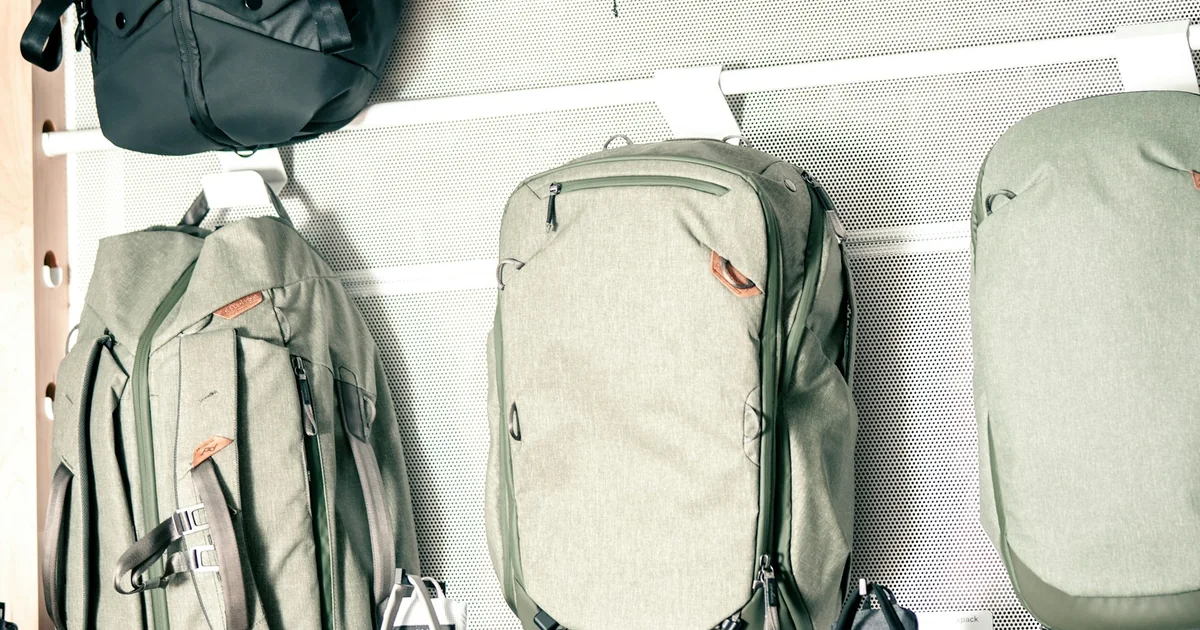
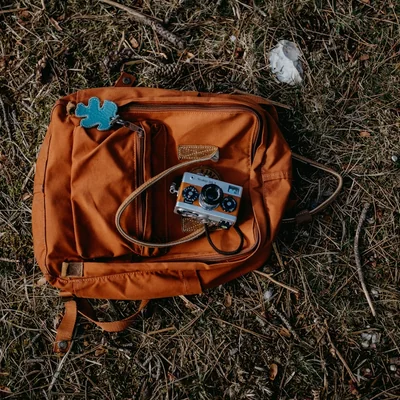
A school backpack needs to carry an awkward load, survive being dragged by one strap, and fit inside a cubby that was designed when children apparently owned nothing. That combination rules out both extremes. Tiny character bags run out of room by October. Oversized hiking packs become portable junk drawers.
Look for a durable two-compartment school backpack with three boring features: padded straps sewn into a reinforced top panel, bottle pockets made from fabric rather than exposed mesh, and zippers that can be grabbed with gloves on. Two main compartments are enough. More pockets create more places for permission slips to vanish.
Fit matters more than capacity. The top should sit near the shoulders rather than sagging toward the waist, and the loaded bag should not be wider than the child’s torso. For younger elementary students, test the zipper while the bag is on a table. If the child needs two hands and an adult grip to turn a corner, that zipper will stay open all year.
Skip the built-in USB port, headphone pass-through, and other features designed for an airport lounge. They add seams and cables without helping at school. A sternum strap can help on a long walking commute, but most bus riders will never use it.
The smartest purchase may be a recognizable color instead of black. A backpack that stands out in a pile is easier for a seven-year-old to retrieve and easier for another parent to describe when it gets left after practice.
Buy for the failure, not the feature list
Before buying any of these five items, picture its most likely bad Tuesday. The backpack zipper splits at 7:42 a.m. The lunch box smells because nobody emptied it. The water bottle leaks onto a library book. The headphones are dead when the class starts a reading assessment.
Good school gear makes those failures less likely and easier to recover from. Replaceable lids beat fancy insulation. A washable liner beats six snack compartments. A wired plug beats one more battery. Durability is useful, but repairability and simple cleanup are what get a product through June.
2. A lunch box that can dry completely
The lunch box is a moisture-management problem pretending to be a food-storage problem. Crumbs are easy. A sealed, damp liner sitting in a backpack from Friday afternoon until Monday morning is what ruins it.
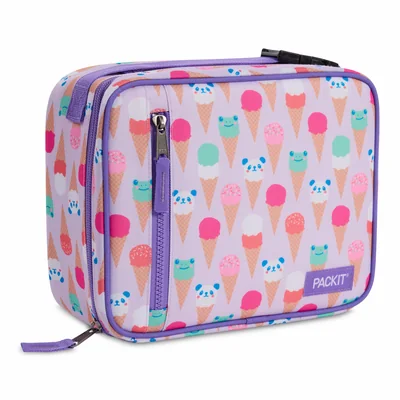
Choose a washable insulated lunch box with a light-colored interior, rounded seams, and enough room for the container. The PackIt Freezable Classic Lunch Box is a strong option because the cooling gel is built into the walls, the liner wipes clean, and the handle clips to a backpack. It does occupy freezer space overnight, so a simple insulated box plus a flat ice pack may fit a crowded household better. Dark liners hide spills. Deep stitched corners collect yogurt. Elaborate divider systems make washing harder and force you into one packing layout.
The right size looks smaller than the giant models on store shelves. It should hold lunch, not every possible snack for a transatlantic flight. An overfilled box strains the zipper; an oversized box gets crushed because it does not fit flat inside the backpack.
I also prefer a box that opens like a book. Kids can see everything without stacking containers on the cafeteria table, and an adult can wipe the full liner in one pass. At home, the rule is simple: empty it immediately, wipe it if needed, and leave it open overnight. The fanciest antimicrobial fabric cannot beat drying.
Do not buy a new lunch box just because the pattern feels young. If it closes, stays cold with an ice pack, and no longer smells after washing, it still works. Let the kid add a patch or zipper pull instead.
3. A water bottle with parts you can replace
School water bottles fail at the lid. The bottle body can survive a drop down concrete stairs, but a chewed straw, missing gasket, or cracked hinge turns it into recycling.
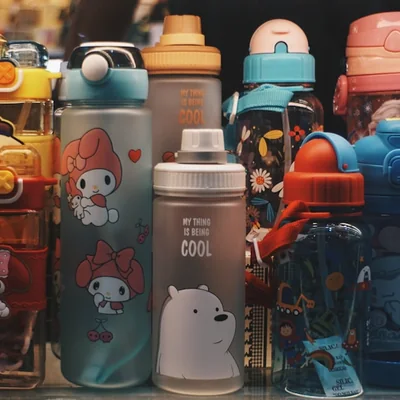
For elementary school, a leakproof kids water bottle should fit the actual backpack pocket, open with one hand, and have replacement lids or straws available separately. Measure the pocket. A 32-ounce bottle that fits a parent’s cup holder may launch out of a child’s mesh pocket every time the bag tips.
Dishwasher-safe matters because the bottle has to rejoin the morning routine quickly. Wide-mouth models are easier to clean by hand, but a complicated straw valve can cancel that advantage. Take the lid apart before buying if you are in a store. If you cannot tell how to remove the gasket, you will not remove it every week at home.
Insulation is optional. Cold water is pleasant, but stainless steel adds weight before the bottle is even filled. A lightweight plastic bottle often makes more sense for a young child with a short day. Older students carrying the same bottle through sports practice may appreciate the insulation.
Buy two identical bottles only if your household can keep their parts together. Otherwise one becomes a donor bottle, and six months later you own two bodies with no functioning lid.
4. Labels before the first item disappears
Labels are the cheapest gear on this list and probably return the most money. A labeled $25 sweatshirt has a chance of coming home. An unlabeled one becomes part of the school’s permanent textile collection.
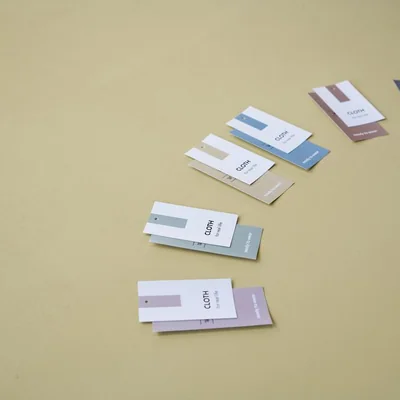
A practical school labeling kit has three pieces: dishwasher-safe stickers for bottles and containers, laundry-safe labels for clothing, and a permanent marker for everything that appears at 7:30 a.m. The marker is not the elegant option. It is the option that works when a recorder, folder, or field-trip bag needs a name now.
Put the child’s first name and last initial on items used inside a familiar school community. Use a parent phone number on expensive gear that may travel beyond school, such as a backpack or headphones. I avoid a full name displayed prominently on the outside of a young child’s bag. The useful label can sit inside the main compartment where a teacher or lost-and-found volunteer will look.
Label the boring removable pieces too. Charger bricks, USB-C cables, food containers, and the tiny headphone adapter all look identical once twenty children own them. A small color dot next to the name gives younger kids a faster visual check.
Schedule ten minutes for labeling when the supplies arrive. The night before school is too late. Adhesive labels bond better when the surface is clean and they get a day before the first dishwasher or laundry cycle.
5. Wired headphones with a volume limit
Schools increasingly put headphones on the supply list, then leave parents to guess what kind. Ask about the connector first. A perfect 3.5 mm headset is useless with a USB-C-only device, and Bluetooth introduces pairing, charging, and account problems that a classroom teacher does not need.
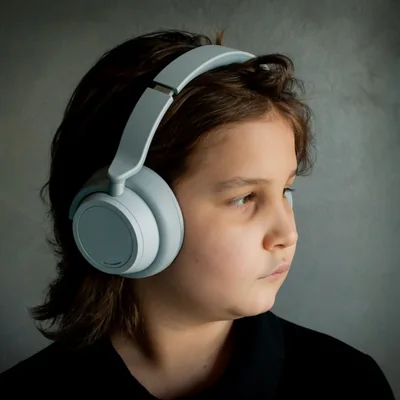
For elementary school, I would buy volume-limited wired headphones. Look for an advertised 85 dB ceiling, a cable thick enough to survive being wound around the headband, and ear pads that can be replaced or at least wiped. The ceiling is not a safety guarantee. WHO safe-listening guidance treats risk as a combination of volume, listening duration, and frequency, so keep the level below the cap and build quiet breaks into long sessions. Foldable hinges save space but add another break point. A plain flexible headband is often the better school design.
On-ear headphones fit more children and stay cooler, while over-ear cups block more classroom noise. Neither style works for everyone. Children who dislike pressure or seams may need to try a pair before the return window closes. Comfort beats every spec because uncomfortable headphones spend the year untouched in a desk.
Add a simple fabric pouch and label both pieces. The pouch keeps the cable from knotting around pencils, and the label gives the set a path home. Skip a hard case unless the school specifically requests one. It consumes backpack space and usually stays empty.
Middle school changes the calculation. Older students may already manage Bluetooth earbuds responsibly, but a cheap wired backup still belongs in the bag during testing weeks. Batteries choose terrible times to teach lessons.
What I would not buy early
I would wait on a calculator until the teacher names the model, any laptop sleeve until the school device is physically in hand, and a large desk organizer until homework patterns are visible. I would also skip bulk packs of specialized folders. A teacher asking for one red plastic folder may mean exactly that, not a twelve-pack of assorted colors.
Do not pre-solve problems the school has not created. Some classrooms store headphones in cubbies. Others send them home daily. Some provide chargers. Others require one in the bag. The first week answers these questions quickly, and stores will still exist in September.
The one exception is anything requiring fit. Buy the backpack and headphones early enough to test them with the child. Load the backpack with a representative weight, adjust both straps, and walk around the block. Wear the headphones through a twenty-minute video. A return made in August is cheaper than a daily complaint through June.
A quick age check
For kindergarten through second grade, optimize for independence: easy zippers, obvious colors, one-handed lids, and labels the child recognizes. Adults will supervise the system, but the child has to operate every item.
For grades three through five, add capacity only when the school load demands it. This is the age when oversized backpacks and bottles start to look appealing, even though the child still has to carry them.
For early middle school, plain styling and repairable parts matter more. A bag the student is willing to carry for two years is better than a heavily themed one replaced after six months. Give the student ownership of emptying the lunch box, charging school technology, and restocking supplies, but keep one visible home for all of it.
The Bottom Line
Buy fewer school items, but spend attention on the five that absorb daily abuse. The backpack should fit. The lunch box should dry. The bottle should have replaceable parts. Labels should go on before anything leaves the house. Headphones should work without a battery or a pairing ritual.
None of this gear will make a child love Monday morning. It can make Monday less likely to begin with a leaking bottle, a broken zipper, or a frantic search for headphones. That is enough of a return for me.